Noah Hartmann · 1 September 2026
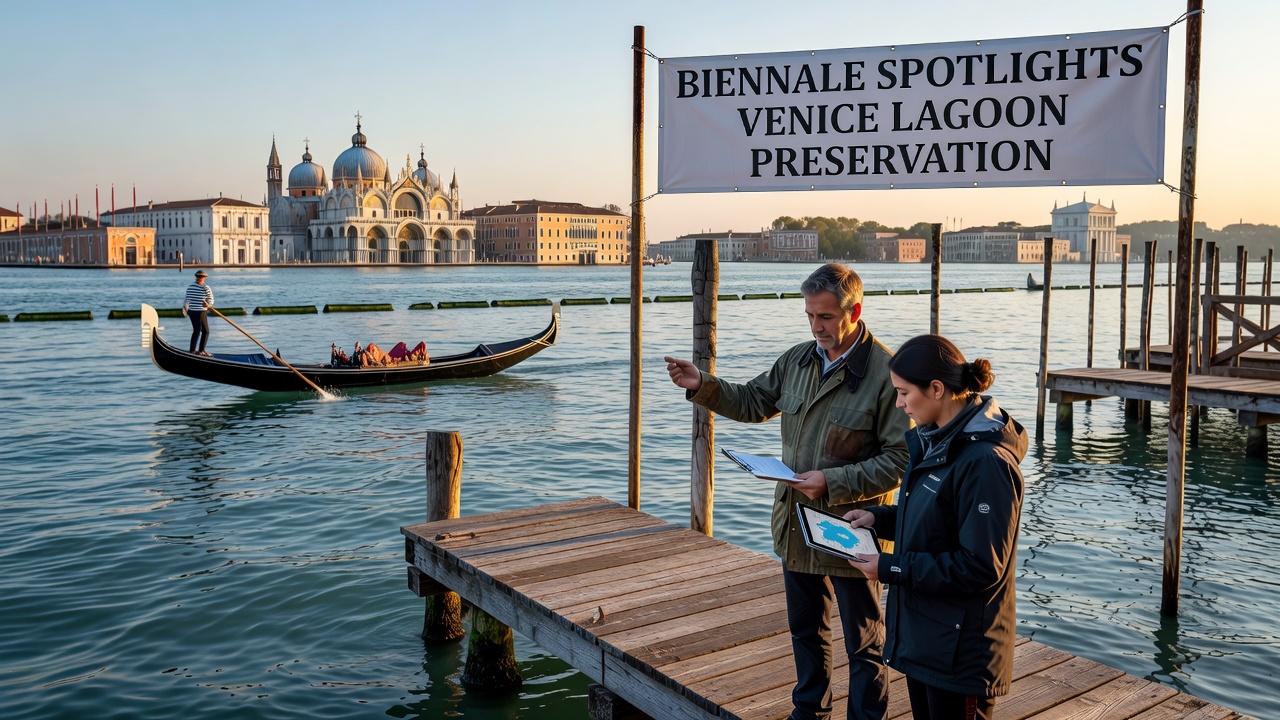
The Venice Architecture Biennale has turned its attention to the urgent need for lagoon preservation, showcasing projects that tackle environmental degradation in this fragile ecosystem. Curators emphasize sustainable solutions amid rising sea levels and urban pressures affecting the historic city.
Environmental Challenges in Focus
Exhibits detail the impacts of climate change, including frequent flooding and pollution from nearby industries that threaten biodiversity. Architects present data on erosion patterns and propose integrated water management systems to stabilize the lagoon's delicate balance. Discussions highlight how human activity has accelerated habitat loss, calling for immediate policy interventions supported by scientific research from international teams.
Case studies from global coastal regions offer comparative insights, stressing adaptive infrastructure like reinforced barriers and restored wetlands. Participants stress that preserving the lagoon requires collaboration between engineers, ecologists, and local communities to ensure long-term resilience against environmental shifts.
Innovative Design Solutions
Installations feature floating pavilions and low-impact materials that reduce ecological footprints while honoring Venetian heritage. These designs promote coexistence between development and nature, encouraging visitors to rethink urban expansion in sensitive areas. Workshops explore blending traditional techniques with advanced technology for durable, eco-conscious buildings.
The biennale fosters dialogue on cultural landscapes under threat, advocating interdisciplinary strategies involving architects and policymakers. It positions Venice as a model for safeguarding similar sites worldwide through innovative, heritage-respecting approaches that prioritize ecological integrity.