Vera Bennett · 1 September 2026
The 2024 Venice Architecture Biennale has directed significant attention toward the preservation of the Venice Lagoon, presenting a series of installations and discussions that examine the environmental pressures facing this delicate ecosystem. Organizers selected projects that address rising sea levels, pollution, and urban development impacts on the historic waterways surrounding the city.
Exhibits Highlight Ecological Pressures
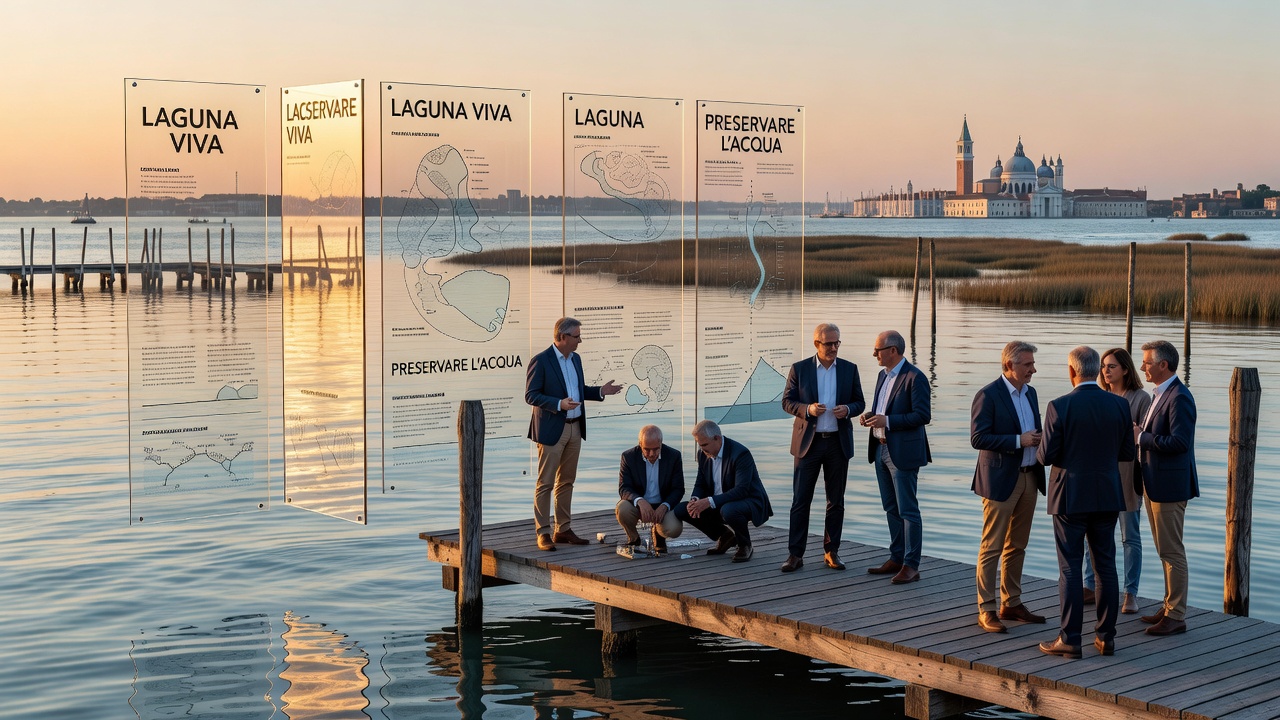
Central to the biennale are displays showcasing data on lagoon degradation, including models of adaptive barriers and restored wetlands. International architects collaborated with Italian researchers to demonstrate how traditional building methods can combine with modern engineering for sustainable outcomes. Panels explored the effects of industrial activity and tourism on water quality, stressing the need for coordinated policy responses across the Veneto region. Visitors encountered interactive elements illustrating seasonal flooding patterns and proposed mitigation strategies rooted in ecological science.
Further installations featured case studies from comparable coastal areas, drawing parallels to Venice while emphasizing unique local challenges such as sediment loss and biodiversity decline. Experts noted that preserving the lagoon requires balancing cultural heritage with forward-looking environmental measures, avoiding approaches that prioritize short-term gains over long-term stability.
Architectural Innovations for Long-Term Protection
Architectural proposals at the event included designs for elevated structures and permeable infrastructure intended to reduce human footprint on the lagoon. These concepts integrate renewable energy sources and natural filtration systems to support both residents and visitors. Discussions highlighted successful pilot projects in the northern lagoon zones, where restored salt marshes have improved habitat conditions and flood resilience.
Participants advocated for expanded research funding and cross-disciplinary partnerships to refine these ideas. The biennale concluded with recommendations for future urban planning that incorporates continuous monitoring of lagoon health metrics. Such efforts aim to safeguard Venice's identity while adapting to climate realities through evidence-based design principles.